Allia: The Exquisite Handwritten Font for Polished Branding
I remember the exact moment my small business felt "real." It wasn’t when I hit a certain revenue milestone or got featured in a local magazine. It was when I held the first batch of thank-you cards printed with my new brand identity in my hands. For months, I had been using generic templates that looked nice on screen but felt cold and impersonal in person. I wanted something that whispered elegance rather than shouted for attention. That search led me to Allia, an exquisite handwritten font that has since become a true favorite in my creative toolkit. If you are looking to elevate your stationery, logos, branding, poster designs, wedding materials, and much more, understanding how this typeface functions in the real world is essential.
Allia for Wedding Invitations and Elegant Stationery Design
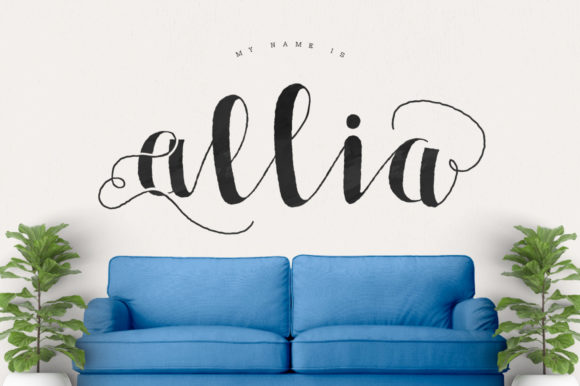
When I first downloaded Allia, I was working on a personal project that doubled as a test for my own brand’s aesthetic: creating elegant stationery suites. As a Script Handwritten typeface, it possesses a fluidity that mimics natural penmanship without sacrificing legibility. This balance is critical for high-stakes design projects like wedding invitations or luxury packaging inserts. Unlike some script fonts that feel chaotic or overly decorative, Allia offers a refined structure that guides the eye smoothly across the page.
In practice, I used Allia to draft custom invitation wording for a close friend’s event. The challenge with handwritten-style fonts is often kerning and spacing; if letters crowd each other, the message becomes hard to read. Allia handles these proportions masterfully, allowing for generous white space that contributes to a sense of luxury and calm. When paired with high-quality cardstock, the subtle variations in stroke weight give the text a tactile quality even before the recipient touches it. This makes it perfectly suited for any designer who needs to convey sophistication through typography alone. Whether you are designing save-the-dates, RSVP cards, or thank-you notes, the visual character of Allia ensures that your words feel personal yet professionally executed.
Allia for Logo Design and Boutique Brand Identity
One of the most common questions I hear from fellow entrepreneurs is whether a script font can work for a logo. The answer depends entirely on the personality of the font. Allia strikes a rare balance between artistic flair and structural integrity, making it an excellent choice for logo design in niches such as beauty, fashion, and artisanal goods. Because it is an exquisite handwritten font, it brings an organic, human touch to a brand mark that geometric sans-serifs simply cannot replicate.
I recently updated the primary logo for my online shop, which sells handmade skincare products. I needed a wordmark that felt clean but not sterile. By isolating specific characters and testing them at various scales, I found that Allia holds up remarkably well even when reduced to favicon size. However, its true strength lies in medium-to-large display applications. For a boutique creating tags, hangtags, or main signage, Allia provides immediate visual recognition. It signals to the customer that the brand values craftsmanship and attention to detail. When integrated into a broader brand identity system, it acts as the emotional anchor, connecting the customer to the story behind the product.
Allia for Packaging Design and Product Labels
Packaging is often the first physical interaction a customer has with a brand. In the crowded marketplace of e-commerce and retail, shelf presence matters. I have tested Allia extensively on product labels, particularly for candle jars and cosmetic bottles. The flowing nature of the Script Handwritten style allows it to wrap gracefully around curved surfaces, maintaining readability while adding a layer of visual interest.
For small business owners, consistency is key to building trust. Using Allia across different product lines creates a cohesive family look. For example, I applied the same font weight to both my body lotion label and my bath bomb box. The result was a unified brand experience that felt intentional and premium. When designing packaging, it is important to consider contrast. Allia works best against solid backgrounds or textured papers where the dark strokes stand out clearly. Avoid placing it over busy patterns or low-contrast colors. Instead, use it to highlight key information like the product name or a short tagline. Its versatility means it can serve as both a headline and a decorative accent, reducing the need for multiple typefaces and keeping your design assets streamlined.
Allia for Social Media Graphics and Digital Ads
Digital branding requires a different approach than print, yet the principles of good typography remain the same. On mobile screens, where attention spans are short, clarity is paramount. I have found that Allia performs exceptionally well in social media graphics, particularly for Instagram stories and Pinterest pins. Because it is an exquisite handwritten font, it stands out amidst a feed filled with bold, blocky sans-serifs and rigid geometric fonts.
However, there are technical considerations for digital use. While Allia is beautiful, it should generally be reserved for headlines, quotes, or short phrases rather than long paragraphs of text. Reading body copy in a script font can cause eye fatigue and reduce engagement. A smart strategy is to pair Allia with a clean sans serif font for secondary information. For instance, use Allia for the main hook—"Handcrafted with Care"—and a simple modern typography style for the details like ingredients or shipping info. This combination leverages the emotional appeal of the script while ensuring the functional information remains highly readable. This hybrid approach is perfect for updating Instagram templates, creating consistent brand visuals for ads, and improving overall click-through rates by making content visually appealing without sacrificing usability.
Allia for Poster Art and Creative Commercial Projects
Beyond standard business materials, Allia opens doors for more experimental and artistic applications. Its character makes it perfectly suited for poster design, especially for events, workshops, or limited-edition product launches. The font’s inherent elegance allows it to command attention in large formats without appearing garish. I have used similar script styles for flyer designs promoting pop-up shops, where the goal is to evoke a sense of exclusivity and anticipation.
When working on commercial font licensing for larger projects, it is always wise to verify the specific rights included with your purchase. Allia is designed to be a versatile tool for creators, but understanding the scope of its usage—whether for client work, merchandise, or digital downloads—is crucial for legal compliance. Many designers appreciate that high-quality Fonts like Allia often come with multiple weights or alternates, allowing for greater typographic hierarchy within a single design. Checking for multilingual support is also recommended if your brand operates internationally. Ultimately, choosing a premium font is an investment in your brand’s perception. By selecting Allia, you are choosing a typeface that communicates care, creativity, and professionalism, helping your business stand out in a noisy market.